
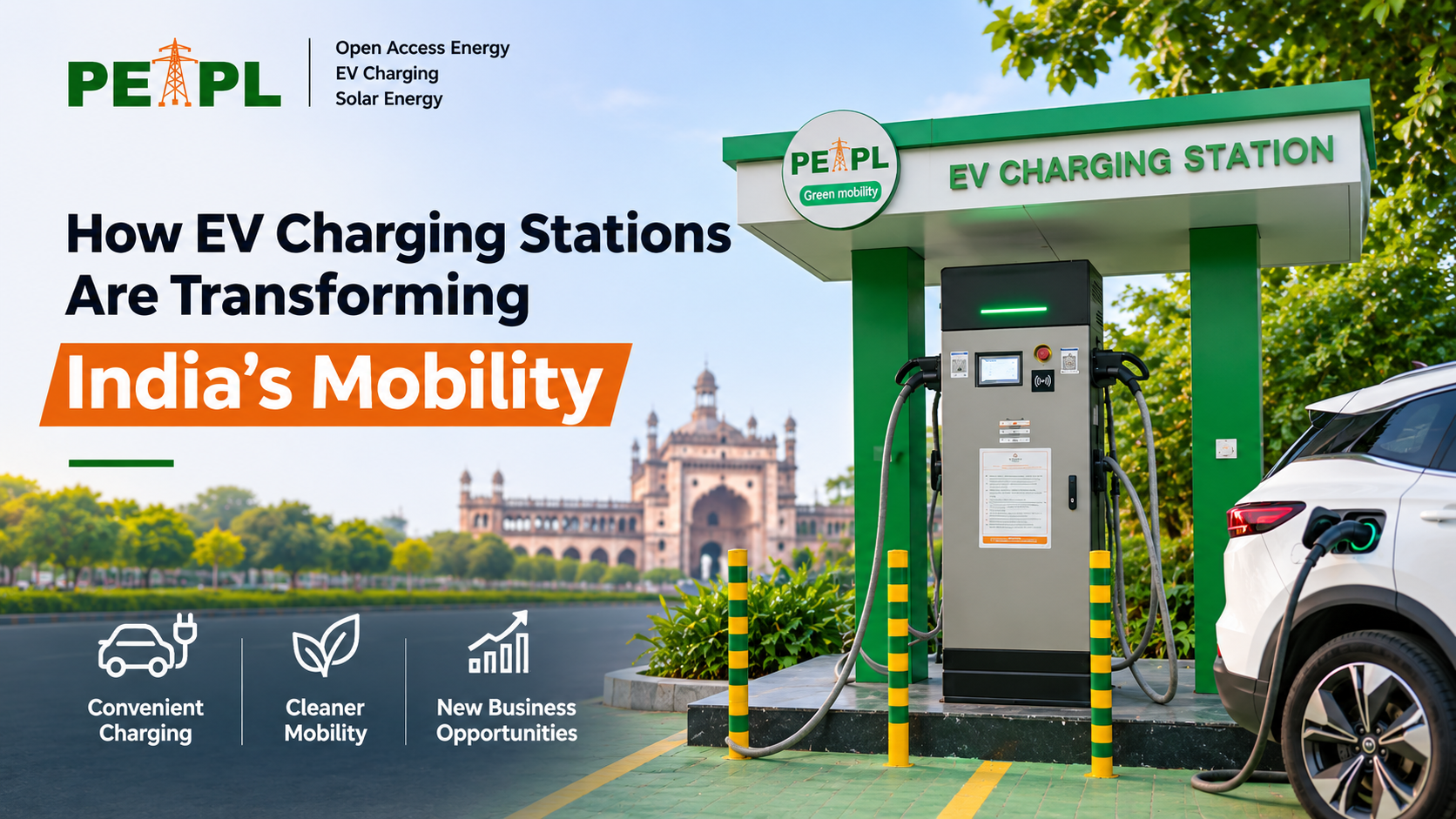
How EV Charging Stations Are Transforming India’s Mobility
Electric vehicles are reshaping India’s transportation landscape. Discover how EV charging stations, smart infrastructure and sustainable energy solutions are supporting the future of mobility.
Introduction: A New Era of Electric Mobility
India’s transportation sector is entering a significant transformation as electric vehicles (EVs) become an increasingly important part of sustainable mobility. From electric two-wheelers and three-wheelers to passenger cars and commercial fleets, the adoption of EVs is creating new opportunities for cleaner transportation.
However, the success of electric mobility depends on more than manufacturing and purchasing electric vehicles. A reliable network of EV charging stations in India is essential to support everyday travel, long-distance journeys and commercial transportation.
EV charging infrastructure is therefore becoming a critical part of India’s energy and transportation ecosystem.
The Growth of Electric Mobility in India
Growing environmental awareness, improvements in battery technology, government initiatives and the need for efficient transportation are contributing to India’s electric vehicle transition.
According to a Ministry of Heavy Industries update published by the Press Information Bureau on 21 July 2026, India had 52,718 public EV charging stations, including 16,561 stations equipped with fast chargers for cars, as reported through the BHEL portal.
This expansion reflects the growing importance of public charging infrastructure in supporting electric mobility across cities and highways.
The Government of India has also allocated ₹2,000 crore under the PM E-DRIVE scheme for public EV charging infrastructure. These initiatives aim to strengthen the charging ecosystem and encourage wider EV adoption.
Read the official
Government of India EV charging infrastructure update
.
Why EV Charging Infrastructure Matters
Charging accessibility is one of the major factors influencing electric vehicle adoption. Drivers need convenient locations where they can charge their vehicles during daily activities, business visits and long-distance journeys.
1. Reducing Range Anxiety
Range anxiety refers to the concern that an electric vehicle may run out of battery before reaching a charging point. A wider network of strategically located public charging stations can help reduce this concern.
2. Supporting Urban Transportation
Cities require accessible charging facilities near commercial buildings, shopping centres, workplaces, hotels, residential communities and parking facilities.
3. Enabling Long-Distance Travel
Highway charging infrastructure can support intercity travel by giving EV owners more opportunities to recharge during planned stops.
4. Supporting Commercial Fleets
Delivery vehicles, corporate fleets and other commercial operators can benefit from planned charging facilities that support their operating schedules.
How EV Charging Technology Is Evolving
Modern EV charging infrastructure includes different charging technologies designed for different vehicle types, locations and charging requirements.
AC Charging Stations
AC chargers are commonly used in residential, workplace and commercial environments where vehicles can remain parked for longer periods.
DC Fast Charging Stations
DC fast chargers are designed for locations where reducing charging time is important. They can support public charging locations, highway facilities and suitable commercial applications, depending on vehicle compatibility.
Smart Charging Infrastructure
Smart charging systems can help operators monitor energy consumption, manage charging loads and improve the operation of charging facilities.
Key Benefits of EV Charging Stations
The expansion of EV charging infrastructure creates benefits for vehicle owners, businesses, property developers and the wider transportation ecosystem.
- Convenience: More accessible charging locations can make everyday EV usage easier.
- Cleaner Mobility: Electric vehicles can reduce tailpipe emissions compared with conventional petrol and diesel vehicles.
- Business Opportunities: Charging facilities can create potential new revenue opportunities for suitable commercial properties.
- Energy Integration: EV charging can be integrated with renewable energy and energy management solutions where technically and commercially suitable.
- Future Readiness: Businesses can prepare their properties and infrastructure for the growth of electric transportation.
Business Opportunities in the EV Charging Industry
The development of EV charging infrastructure is opening opportunities for businesses across multiple sectors. Commercial properties, hotels, hospitals, retail outlets, parking operators and fleet businesses can explore charging infrastructure based on their location, customer requirements and electricity availability.
Commercial Property Owners
Installing suitable charging facilities can improve the convenience offered to visitors and support a property’s sustainability initiatives.
Fleet and Transportation Operators
Dedicated charging infrastructure can help businesses plan vehicle charging around operating schedules and fleet requirements.
EV Charging Infrastructure Providers
Companies involved in charger supply, station planning, electrical infrastructure, installation and maintenance can contribute to the development of India’s EV ecosystem.
Before investing, businesses should assess site suitability, electricity availability, expected utilisation, equipment requirements, operating costs and applicable regulations.
Challenges and the Road Ahead
Despite the progress, India’s EV charging ecosystem still needs to address several practical challenges.
- Uneven distribution of charging facilities across locations.
- Availability of suitable electrical infrastructure.
- Initial investment and ongoing operating costs.
- Vehicle and charger compatibility.
- Reliable maintenance and charging station operations.
- Consumer awareness and access to charging information.
The Ministry of Power’s
official guidelines and policy resources
provide an important framework for the development and operation of EV charging infrastructure in India.
Continued collaboration between government bodies, energy companies, technology providers and private businesses will be important in addressing these infrastructure requirements.
PETPL and the Future of EV Charging Infrastructure
As India’s electric mobility ecosystem develops, reliable charging infrastructure and integrated energy solutions will become increasingly important.
PETPL (Powerfull Energy Trading Private Limited) works across energy and e-mobility solutions, including EV charging station planning, AC/DC charger supply
and installation, electrical infrastructure development, smart energy management, maintenance and operational support.
PETPL aims to support businesses and property owners exploring EV charging infrastructure for commercial and public environments.
Its EV charging presence at DLF MyPad, Lucknow, also represents the growing role of local charging facilities in making electric mobility more accessible.
Build a Smarter EV Charging Future with PETPL
Exploring EV charging infrastructure for your business or commercial property? Connect with PETPL to discuss your project requirements and potential solutions.
Frequently Asked Questions About EV Charging Stations
1. What is an EV charging station?
An EV charging station is a facility that supplies electrical energy to recharge the battery of an electric vehicle through
compatible charging equipment.
2. What are the main types of EV chargers in India?
The main categories include AC charging stations and DC fast charging stations. Their suitability depends on
vehicle compatibility, charging requirements and location.
3. Why is EV charging infrastructure important?
It improves charging accessibility, supports electric vehicle adoption, reduces range anxiety and helps
enable electric transportation across cities and highways.
4. Can businesses install EV charging stations?
Yes. Businesses and private entities can establish and operate EV charging stations in accordance with applicable
Ministry of Power guidelines and relevant requirements.
5. What factors should businesses consider before installation?
Important factors include location, electrical load, infrastructure availability, charger compatibility,
installation costs, expected utilisation and maintenance.
6. How is PETPL involved in EV charging?
PETPL works in EV charging solutions, including station planning, charger supply and installation, electrical
infrastructure, energy management and operational support.
Conclusion
EV charging stations are becoming an essential part of India’s transition towards electric mobility. As vehicle adoption increases, accessible charging infrastructure, reliable technology and effective energy management will play an important role in supporting the sector.
For businesses, this transition creates opportunities to participate in the development of charging infrastructure while preparing their properties and operations for changing transportation needs.
The future of mobility will depend on a connected ecosystem where electric vehicles, charging networks and energy solutions work together.